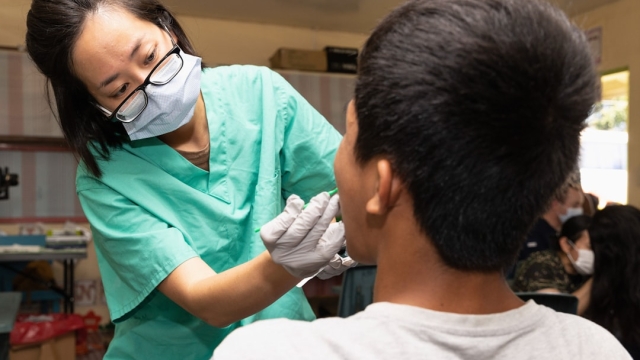

Vaccinations play a crucial role in safeguarding the health of individuals and communities. They are a vital component of preventive healthcare, helping to protect against various infectious diseases. For families, ensuring that every member is up to date on their vaccinations is essential for overall well-being. This article will guide you through understanding vaccination services available in your area, the types of vaccines commonly offered, and the financial aspects associated with these services.
Understanding Vaccination Services in Your Area
Finding reliable vaccination services is the first step towards ensuring you and your family receive the necessary immunizations. To locate these services, start by checking with local healthcare providers, clinics, or pharmacies. Many communities have established vaccination centers that offer a range of immunizations. You can also consult local health department websites or call them directly for information on available services.
When searching for vaccination services, consider looking for facilities that have flexible hours and the ability to accommodate walk-ins, especially during peak vaccination seasons. Additionally, make sure to inquire about any specific requirements, such as age restrictions or documentation needed for certain vaccinations. Booking an appointment in advance can also save time and ensure that you receive the necessary vaccinations promptly.
Types of Vaccines Available and Their Importance
Vaccination services typically offer a variety of vaccines to protect against different diseases. Common vaccines include those for influenza, measles, mumps, rubella, hepatitis, and tetanus. Each vaccine plays a specific role in preventing illness, and staying up to date with vaccinations is critical for individual and public health.
Seasonal vaccines, such as the influenza vaccine, are particularly important during flu season, as they can significantly reduce the risk of contracting and spreading the virus. Other vaccines may be required based on age, health conditions, or travel plans. It is essential to consult with healthcare providers about which vaccines are appropriate for you and your family.
In addition to protecting individuals, vaccinations contribute to herd immunity. When a significant portion of the population is vaccinated, the spread of disease is minimized, protecting those who cannot be vaccinated, such as young children or individuals with certain health conditions. This communal aspect of vaccination reinforces the importance of utilizing available vaccination services.
Insurance Coverage and Cost of Vaccination Services
Understanding the financial aspect of vaccination services is crucial for planning. Many health insurance plans cover vaccinations, often at no additional cost to the insured. However, coverage can vary depending on the type of vaccine and the provider. It is advisable to contact your insurance company or review your policy to understand your coverage options.
For those without insurance, many vaccination services offer affordable rates or sliding scale fees based on income. Community health clinics often provide vaccinations at reduced costs, making it accessible for everyone. Some public health departments also conduct vaccination drives, which can be an excellent opportunity for individuals and families to receive vaccines without significant financial burden.
In conclusion, vaccinations are an essential aspect of public health, and understanding the available vaccination services in your area can help ensure you and your loved ones are protected. By knowing how to find local services, understanding the types of vaccines available, and being aware of the financial implications, you can make informed decisions about your health and well-being. For more information on vaccination services and to explore options available to you, visit MedEx DTC. Taking the step towards vaccination is a step towards a healthier future for you and your community.