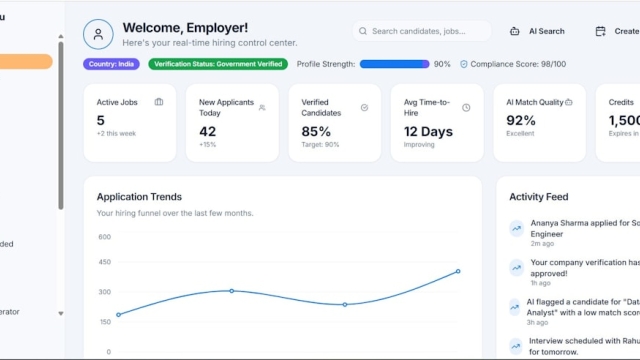

In the digital landscape of today, businesses must leverage innovative tools to enhance their operations and engage their customers effectively. One such tool that has gained significant traction is the concept of digital activation platforms. These platforms serve as crucial intermediaries, enabling companies to manage user access to their digital products while ensuring a seamless experience for both the business and its users. Understanding what digital activation platforms entail and how they can be utilized can provide substantial advantages for organizations aiming to optimize their digital strategies.
Understanding Digital Activation Platforms: An Overview
Digital activation platforms are software solutions designed to facilitate the management of user access, rights, and entitlements for digital products and services. They ensure that users can access the content or services they have purchased while also protecting the intellectual property of the provider. By streamlining the activation process, these platforms help eliminate friction points that could hinder user engagement and satisfaction.
The Importance in the Software Industry
In an era where digital offerings are ubiquitous, the importance of digital activation platforms cannot be overstated. They play a vital role in the software industry, where piracy and unauthorized access can lead to significant revenue losses. By implementing robust activation mechanisms, businesses can not only safeguard their products but also gain insights into user behavior and preferences, which can inform future development and marketing strategies.
Key Features of Effective Digital Activation Solutions
When evaluating digital activation platforms, certain key features distinguish the most effective solutions from the rest:
- User Management: A pivotal feature, user management allows businesses to easily create, modify, and revoke user access. This capability is essential for maintaining control over who can access a product and under what conditions.
- Analytics: Effective platforms provide analytics tools that track user engagement and activation metrics. This data is invaluable for understanding how users interact with a product, identifying patterns, and making data-driven decisions.
- Security: Security features are paramount in protecting digital content from unauthorized access. Strong encryption and secure activation processes are critical components that help instill confidence in users and protect the intellectual property of the business.
- Integration: The ability to integrate with other systems, such as Customer Relationship Management (CRM) or Enterprise Resource Planning (ERP) tools, enhances the overall functionality of digital activation platforms. This integration enables seamless workflows and better data management.
Benefits of Using Digital Activation Platforms for Businesses
Implementing digital activation platforms can yield numerous benefits for businesses:
- Enhanced User Experience: By simplifying the activation process, businesses can provide a frictionless experience for their users, which can lead to higher satisfaction rates and increased loyalty.
- Improved Revenue Protection: With robust activation mechanisms in place, businesses can significantly reduce the risk of piracy and unauthorized access, ultimately protecting their revenue streams.
- Data-Driven Insights: The analytics capabilities of these platforms allow companies to gather actionable insights about user behavior, facilitating better product development and targeted marketing efforts.
- Scalability: As businesses grow, digital activation platforms can easily scale to accommodate an increasing number of users and products, ensuring that access management remains efficient.
For example, a software company that implements a digital activation platform may observe a notable reduction in unauthorized access incidents, which directly correlates with an increase in subscription renewals and customer retention rates.
Best Practices for Selecting and Using a Digital Activation Platform
When choosing a digital activation platform, businesses should consider the following best practices:
- Assess Needs: Clearly identify the specific requirements of your business and how a digital activation platform can address them. Consider factors such as user volume, security needs, and integration capabilities.
- Evaluate Features: Look for platforms that offer the essential features discussed earlier, particularly user management, analytics, and security.
- Test User Experience: Before fully committing, conduct trials to assess the user experience from both the business and user perspectives. This can help identify any potential issues that may arise during implementation.
- Provide Training: Ensure that your team is adequately trained in utilizing the platform’s features to maximize its benefits.
By following these guidelines and understanding the value of digital activation platforms, businesses can position themselves for success in the digital marketplace. For more information on how to implement effective digital activation solutions, you can explore detailed resources available at this link.